Clemson showcase article
A brief overview of the project, the motivation behind smarter cycling workouts, and the people involved in the research.
Fatigue Modeling EMC² Lab
We seek to determine how fast you can climb a hill and create a personalized pacing plan from a rider's current performance state.
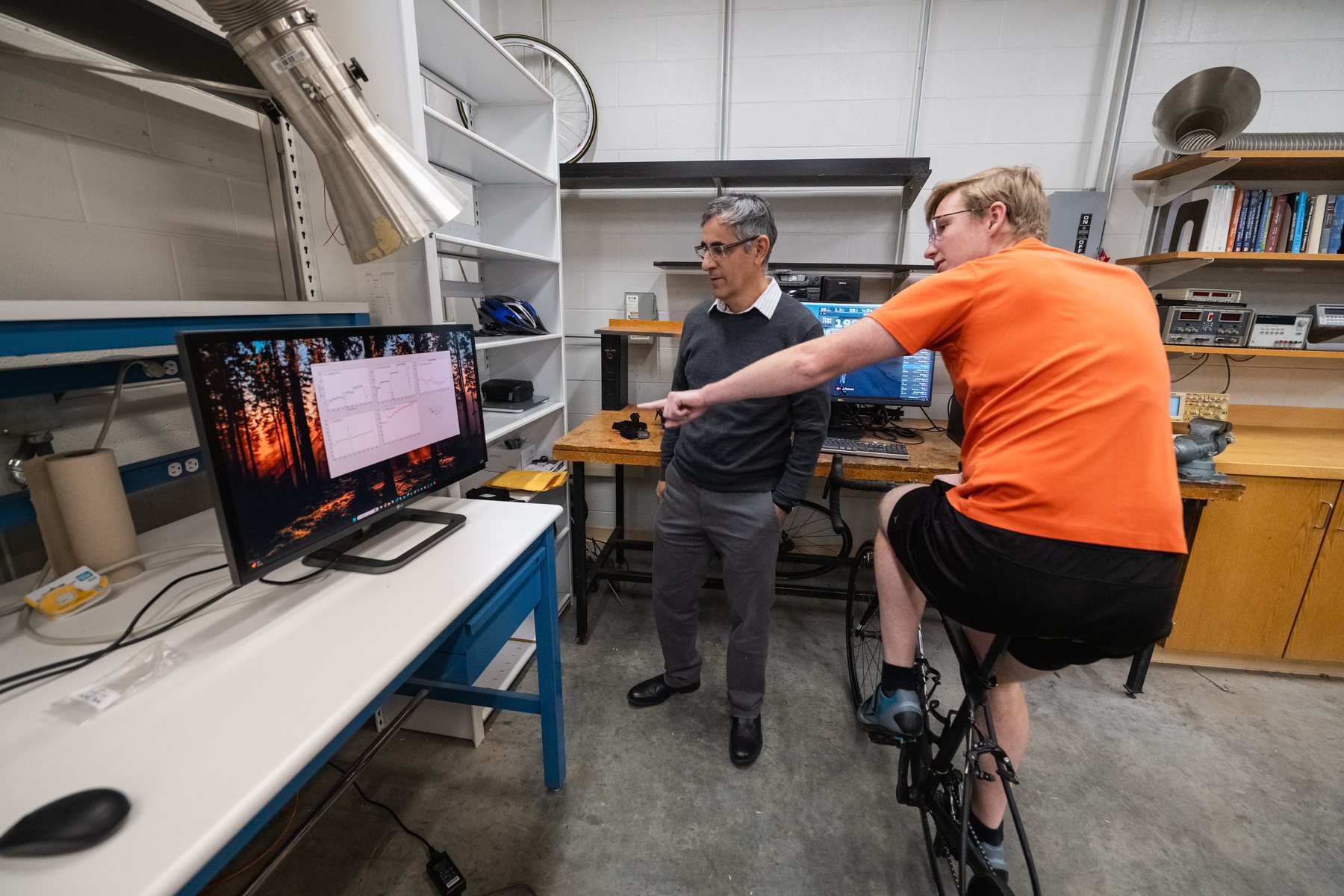
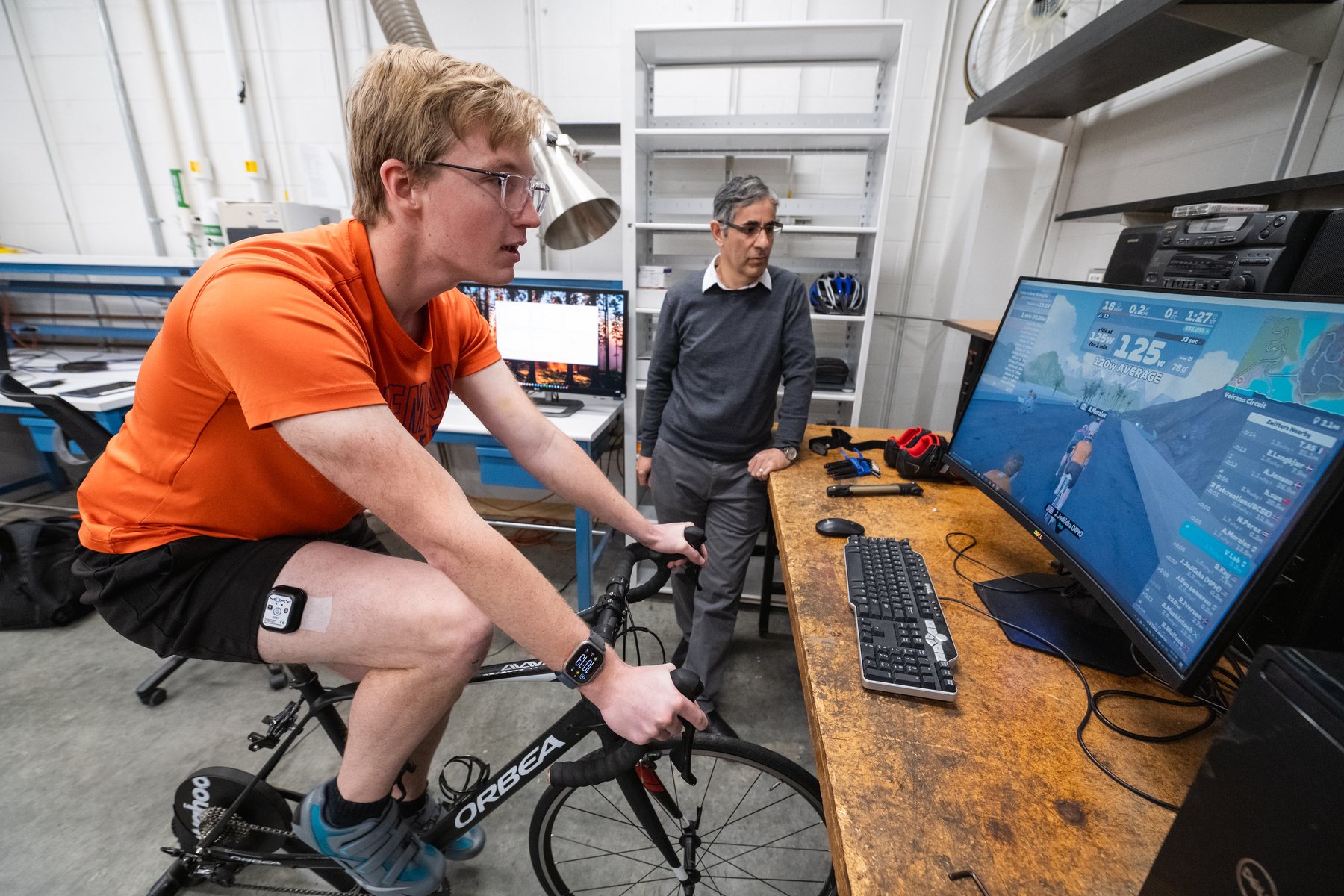
My research asks a deceivingly simple question: How much power can you produce? Now, how much can you produce after riding for 10 minutes? 30 minutes? An hour? How about after climbing that mountain? I seek to model the energy stored within your body in the amount of effort you can put out at any point in time.
Project resources
A brief overview of the project, the motivation behind smarter cycling workouts, and the people involved in the research.

The deep dive: protocol design, model assumptions, equipment, results, and the technical details behind the fatigue modeling work.
Create a model that correctly predicts the maximum potential power of an athlete at any point in time, taking into account both existing and workout related fatigue.
Power and cadence changes, muscle oxygenation, and heart rate data are used to quantify changes in potential under fatigue.
Optimized pacing to maximize race performance, personalized workout design that adapts to your abilities, and individualized performance feedback.
Conference posters
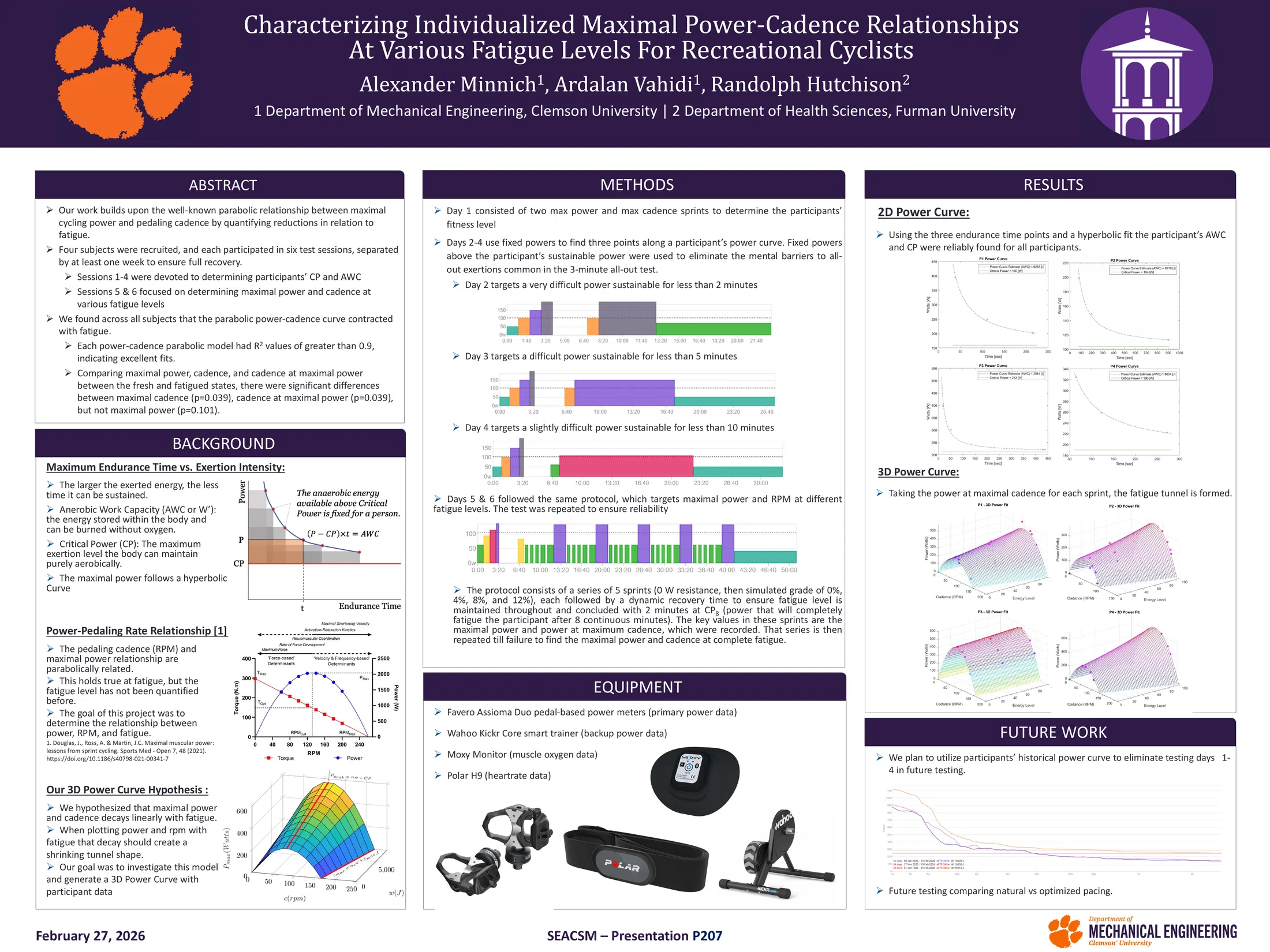
SEACSM 2026
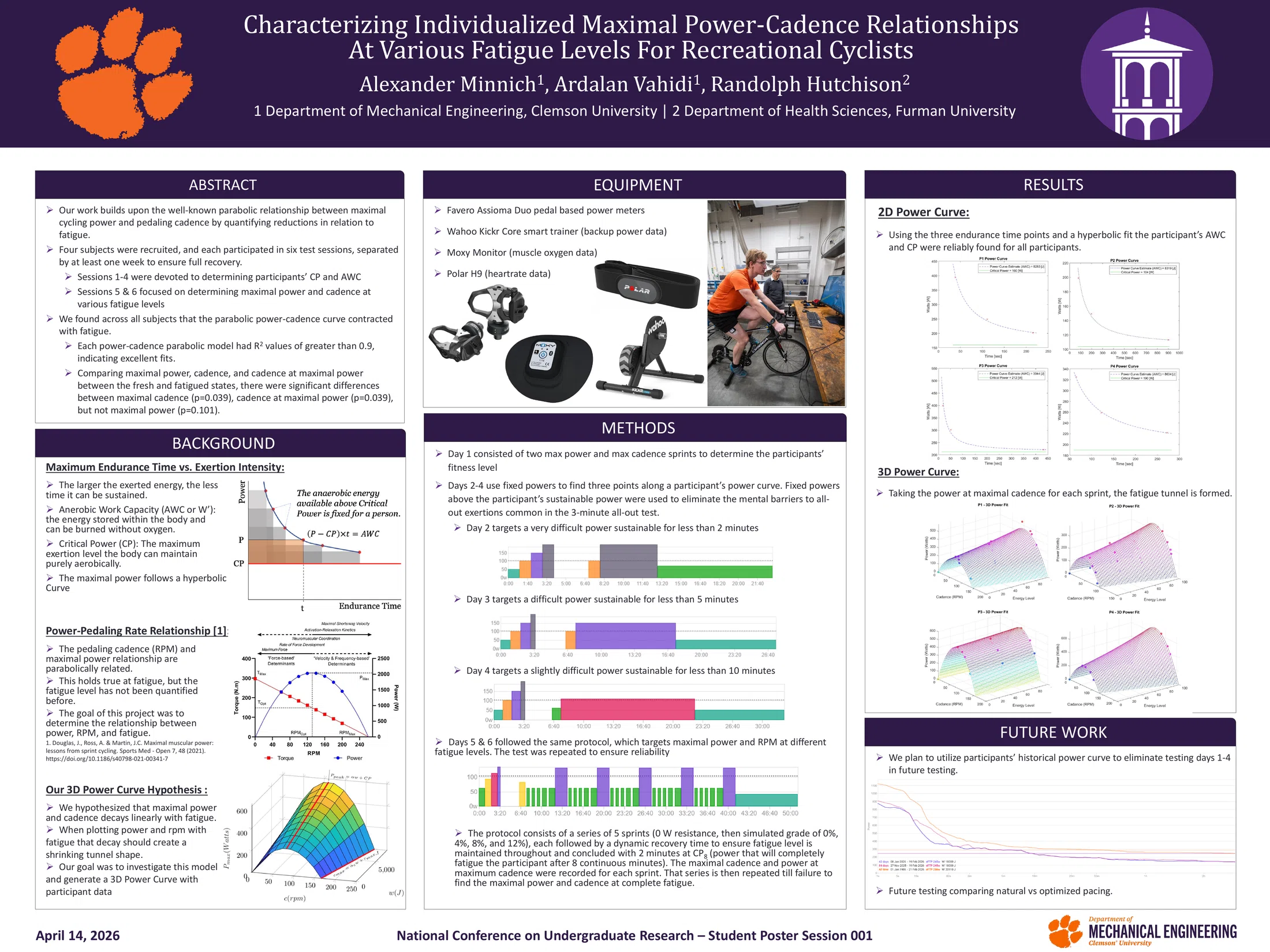
NCUR 2026
Equipment Used
The protocol combines direct cycling power data with physiological sensing so the model can connect external performance to fatigue and recovery state.
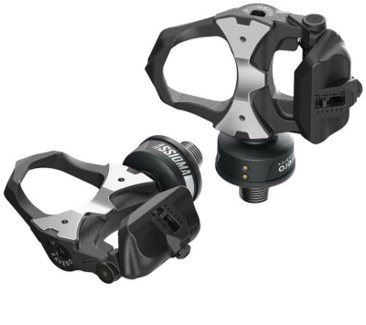
Pedal based power meters used as the primary power data source.
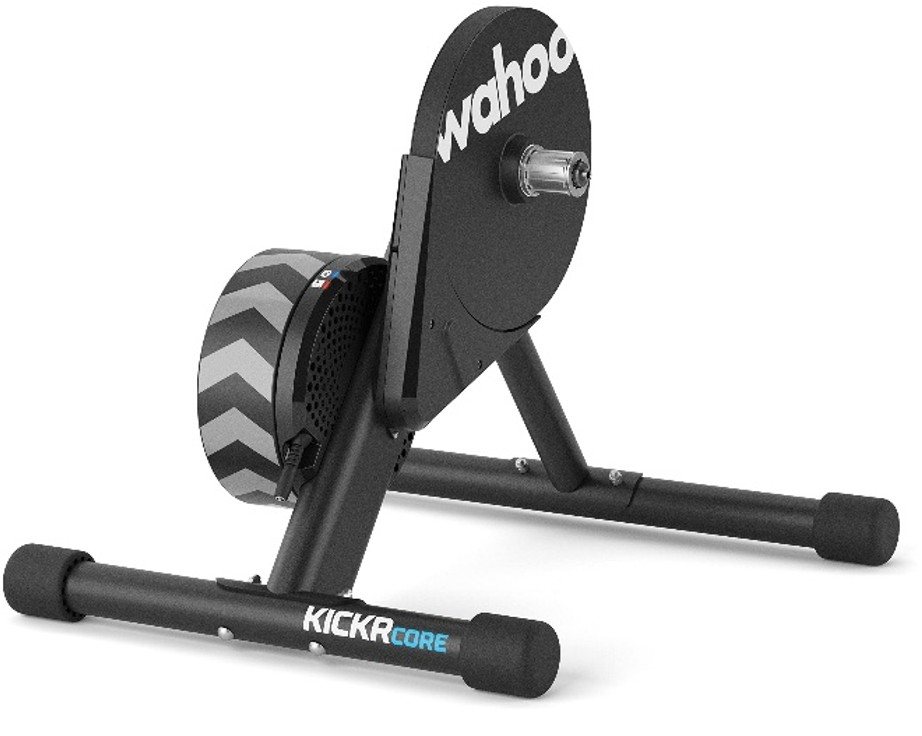
Smart trainer used for controlled resistance and backup power data.
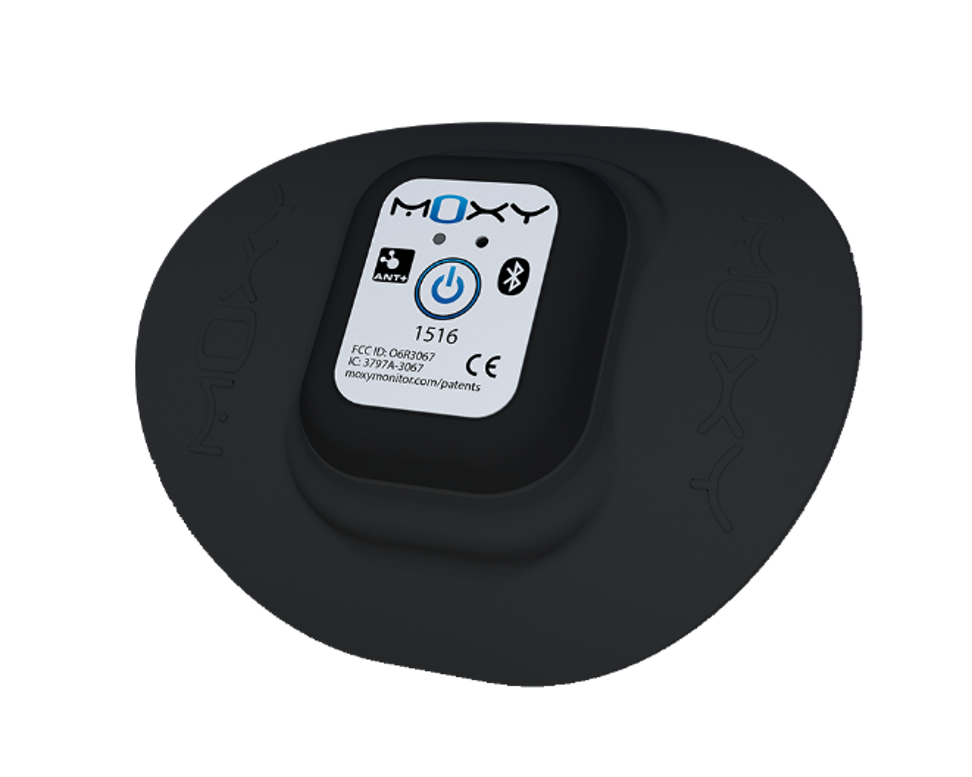
Muscle oxygen sensor used to observe local physiological response during testing.
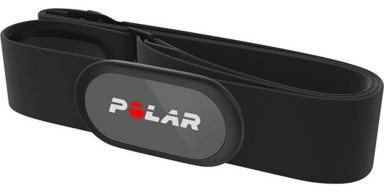
Heart rate monitor used to capture cardiovascular response during protocol work.